Uluru and Beyond: How I Spent 48 Hours in Australia’s Red Centre
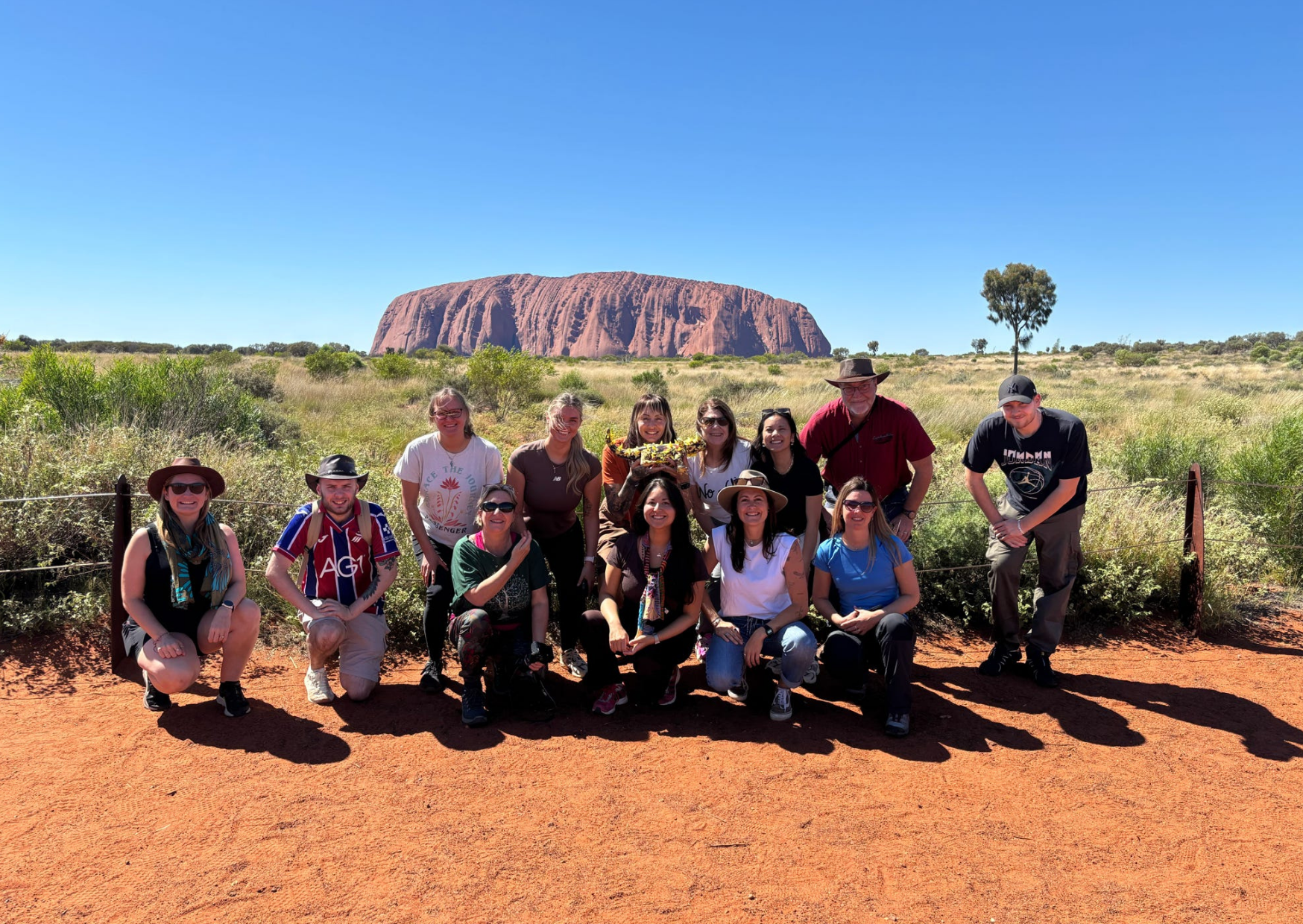
I recently had the exciting opportunity to visit Australia for the first time, exploring the Northern Territory and starting my adventure in the iconic Red Centre. Seeing Uluru in person was something I’d looked forward to for years, and it certainly lived up to the anticipation. Whilst I only spent around 48 hours here, I would always recommend longer for a more immersive experience. My research trip was packed with early starts, tours and hotel visits, but it gave me a fantastic introduction. Here’s how I spent two memorable nights in this extraordinary landscape.
Day 1 - Afternoon: Arriving in the Red Centre & Wintjiri Wiru
I landed at Ayers Rock Airport in the afternoon after travelling from the UK. Coming straight through on such a long journey isn’t something I’d typically recommend for my clients. I’d normally include this within a wider Australian itinerary, arriving on a domestic flight after spending time elsewhere in the country. The airport is tiny, and getting to the resort is straightforward. Simply collect your luggage, head outside and board the complimentary AAT Kings coach serving your hotel. The journey takes around 10 to 15 minutes, so you’ll soon be settling in.
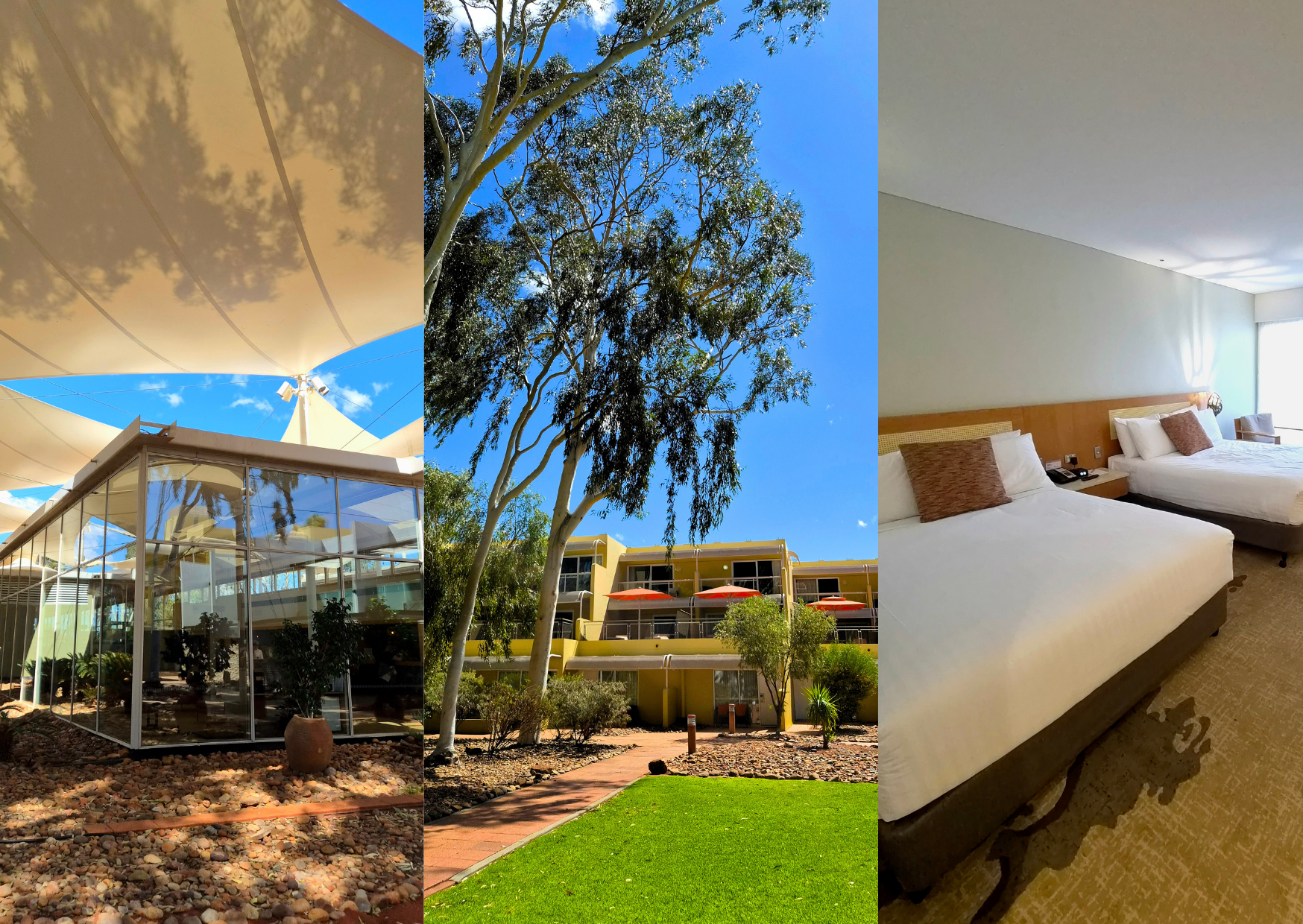
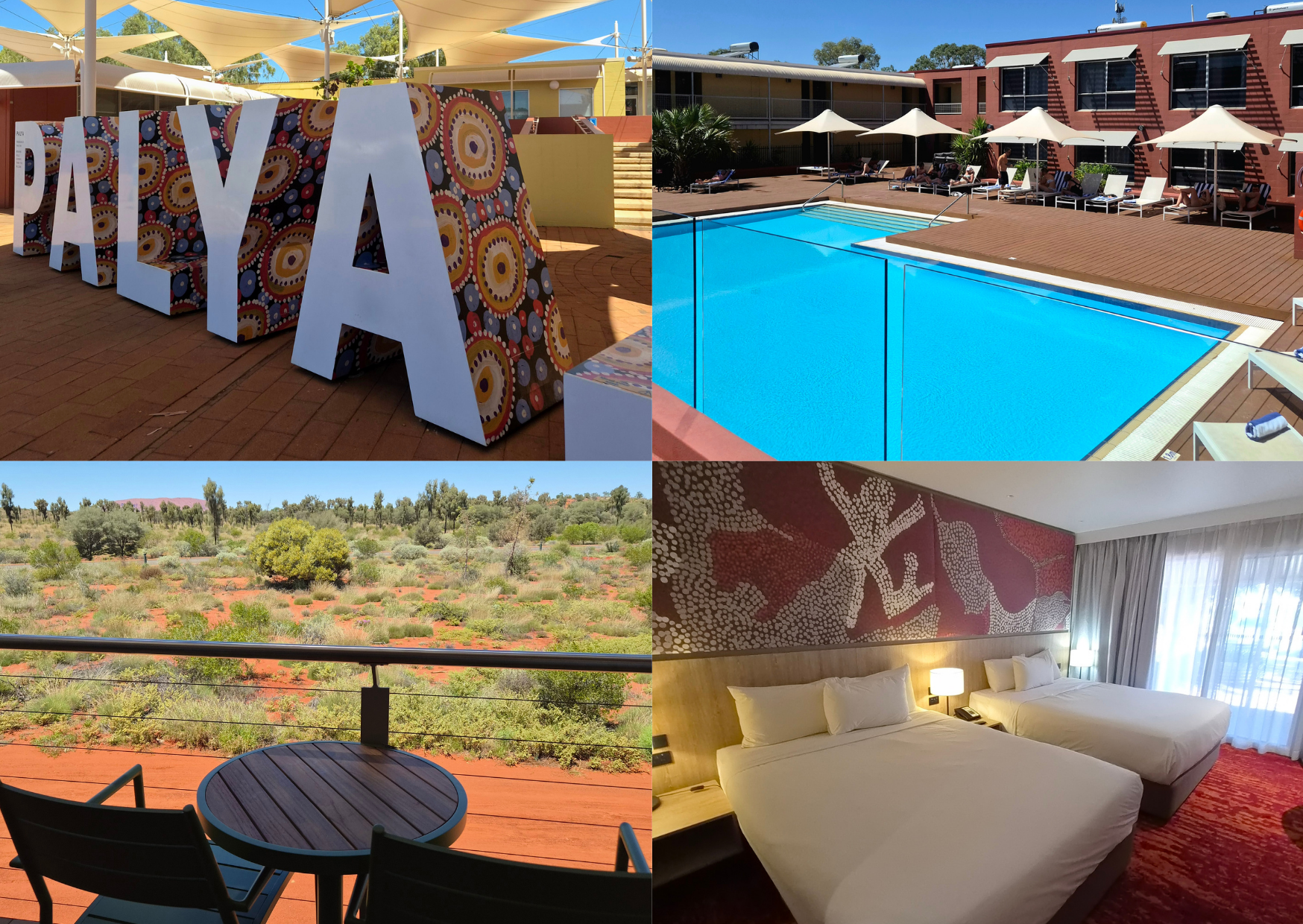
My base was Sails in the Desert, the resort’s five-star hotel and my bestseller for clients looking for a quality hotel stay here. With its distinctive white sails, spacious rooms and landscaped grounds, it’s a comfortable base between excursions. Facilities include a swimming pool, restaurants, a lobby bar, the Red Ochre Spa and a brand-new gym. Complimentary laundry facilities are another useful extra, particularly if you’re visiting as part of a longer Australian adventure.
A practical point: plan around the published check-in time rather than assuming you’ll get early access. Accommodation is in high demand, and at Sails in the Desert, standard check-in is 3pm.
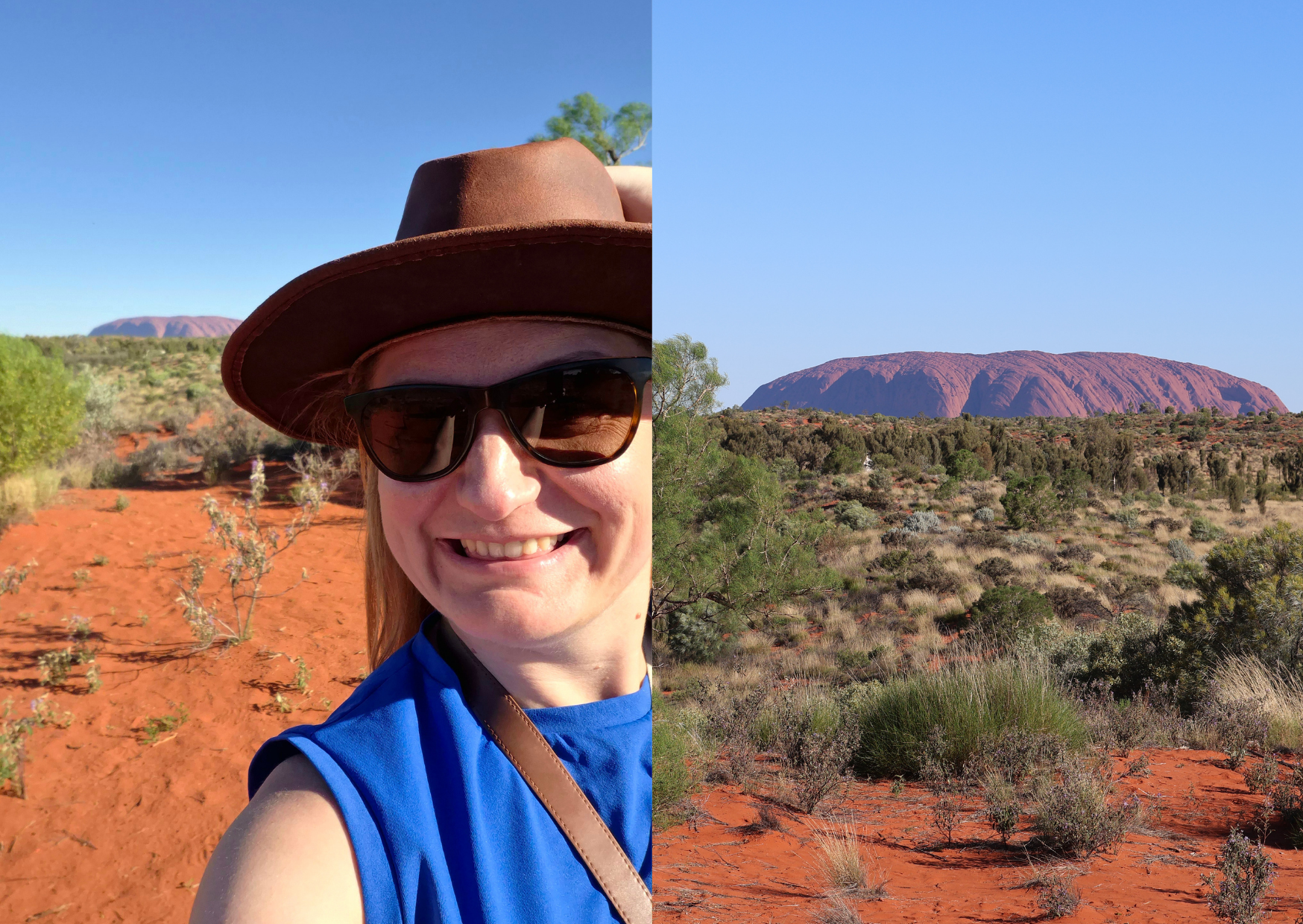
I particularly liked the location, just a short walk from Town Square. Once settled, I headed out to browse the shops, buy the essential fridge magnet and walk up to Imalung Lookout, where I got some beautiful photographs of Uluru in the afternoon sunlight. There’s also a complimentary shuttle circulating around the entire resort, connecting the accommodation and Town Square. You don’t have to walk in the heat of the day if you don’t fancy it.
Our first evening was spent at Wintjiri Wiru After Dark, an award-winning cultural storytelling experience using drones, lasers and projections to bring a chapter of the ancestral Mala story to life. We enjoyed free-flowing drinks and our own cheese board before watching the performance. The show itself is only around 20 minutes long, within a longer outing that includes transfers and time at the venue. The visual presentation was fantastic, and photography isn’t permitted during the performance, so this is one to watch with your phone away.
Other versions include Sunset Dinner, with a gourmet dinner hamper, and Twilight, with drinks, cheese and desserts at an earlier time. Twilight is one I’d consider for families travelling with teens who would prefer a shorter evening. As an outdoor drone show, it is dependent on suitable weather and wind conditions.
Something I came to appreciate during the trip was that visitors are only being given an introduction to Anangu cultural knowledge. The stories have layers of meaning, with deeper understanding shared through life and according to cultural responsibilities. Some knowledge remains sacred and isn’t shared with outsiders. I really respected that protection of their culture, alongside the generosity of sharing the parts we were invited to hear.
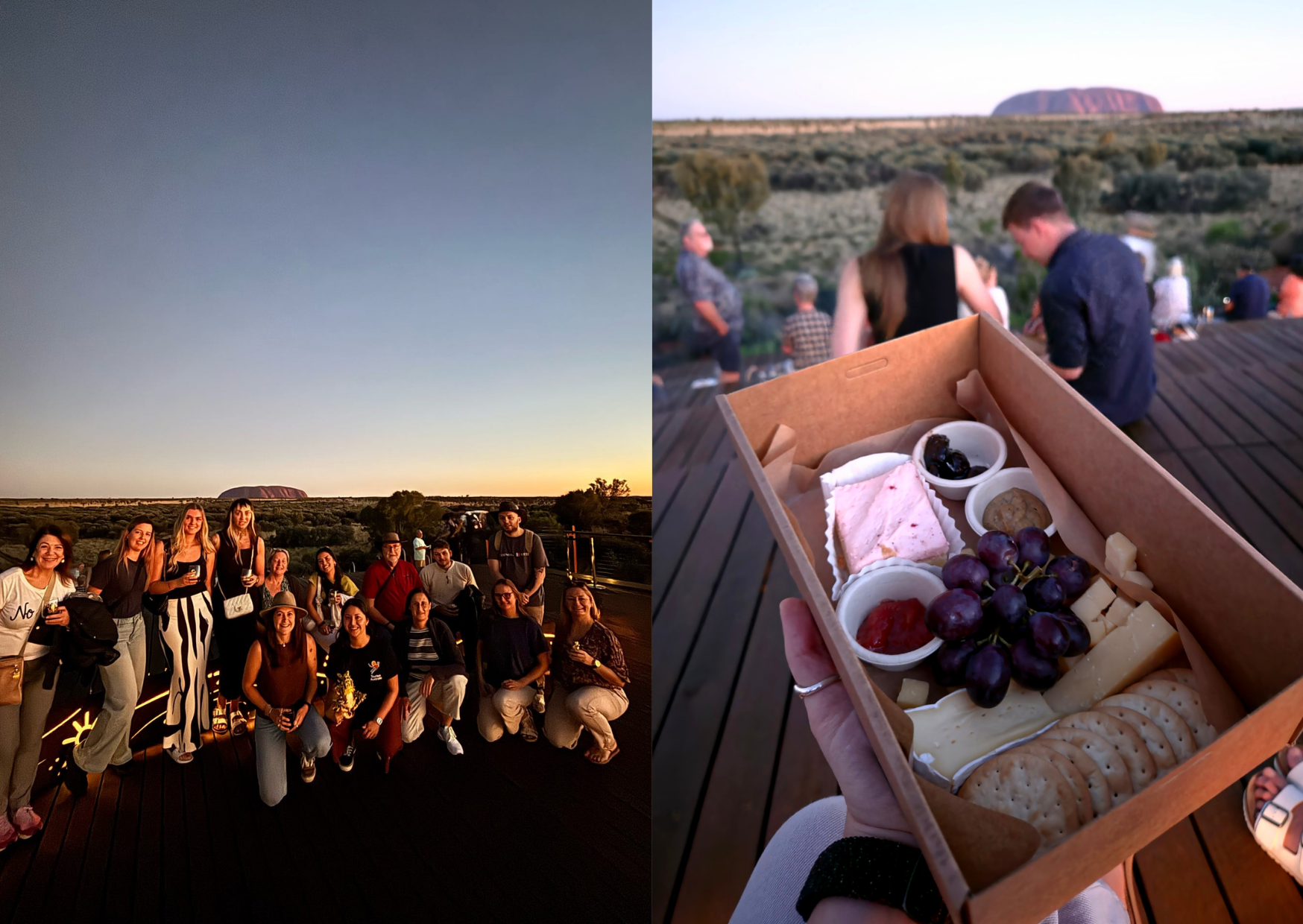
Day 2: Sunrise at Kata Tjuta, exploring the resort & an evening at Field of Light
We set off just after 5am with SEIT, heading to the Kata Tjuta sunrise viewing platform. Sunrise times vary throughout the year, so departure times change with the seasons.
One thing that impressed me was how organised the tour collections were. Outside the hotel, there were clearly marked signs and stands for the different tours. Whether heading out in the morning or evening, it felt like a well-oiled machine: vehicles pulled up, collected their passengers and headed off. Just check your confirmed departure time and meeting point.
At the viewing platform, we could see Uluru in the distance, but Kata Tjuta was very much the main event.Absolutely incredible. I’ve never seen the sky change so many colours or the rocks look so red.
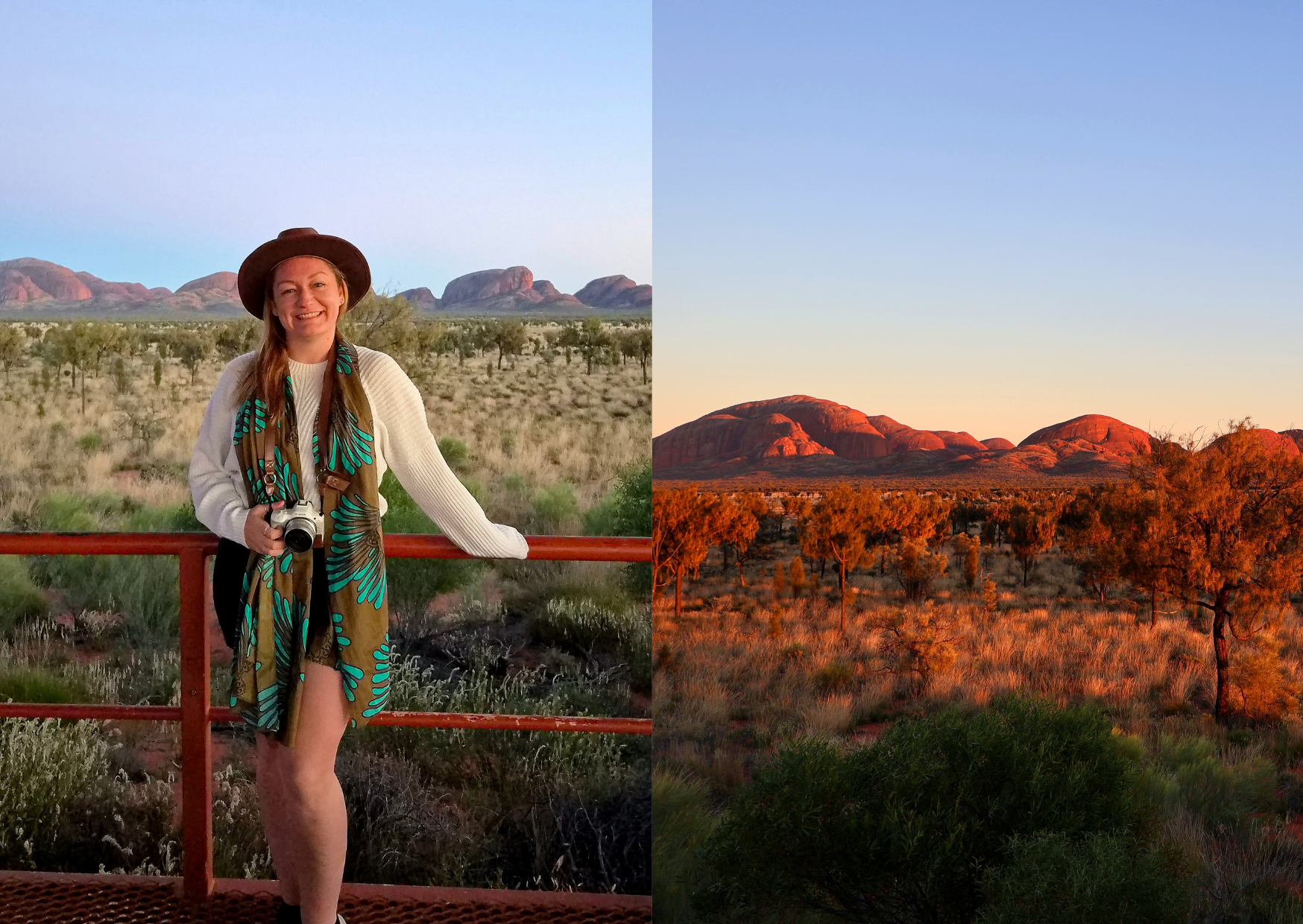
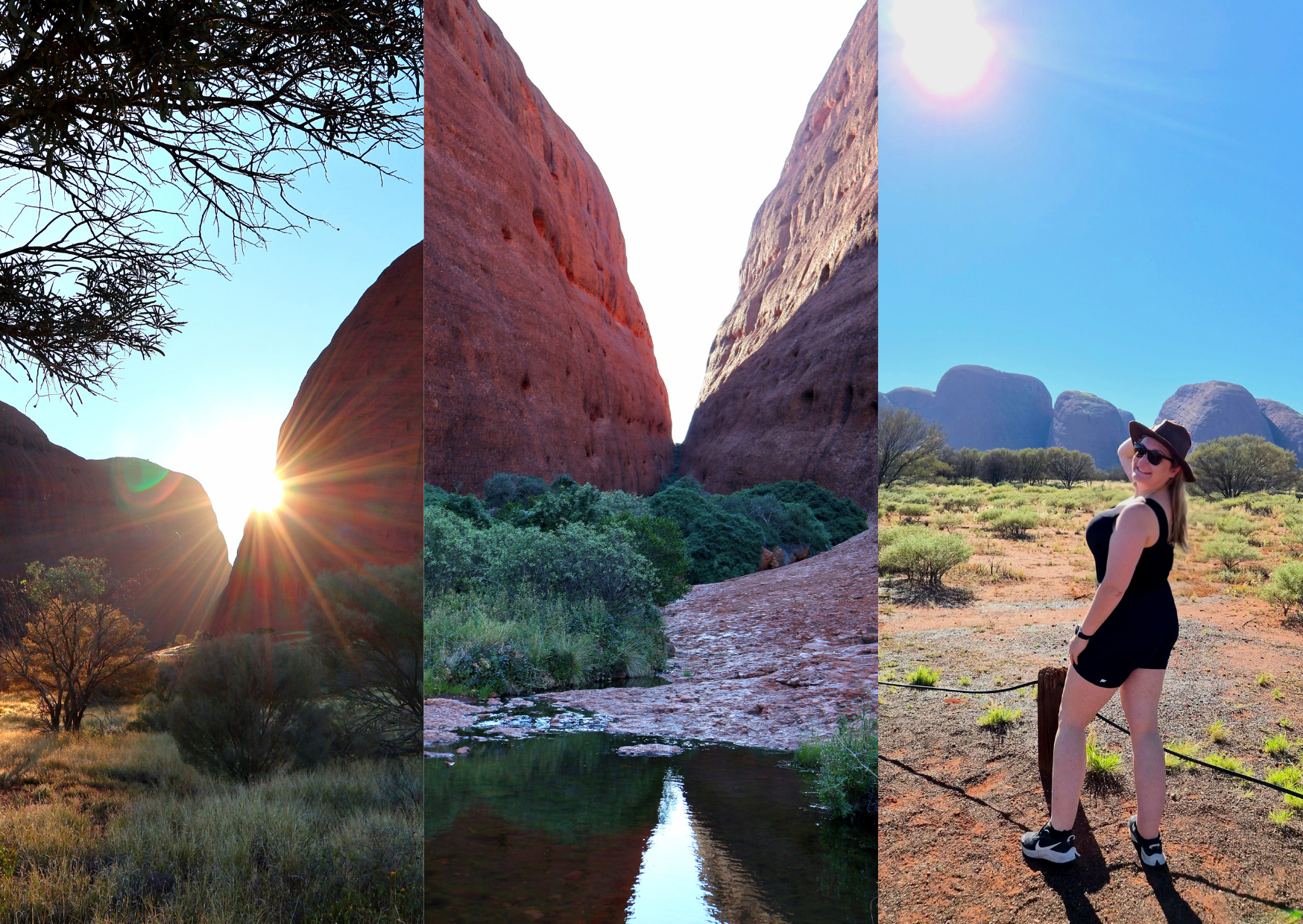
After sunrise, we continued to Walpa Gorge, walking between the enormous rock walls of Kata Tjuta. The walk is 2.6km return and takes approximately 45 minutes to an hour, depending on your pace and stops. There are uneven, rocky sections, so proper walking shoes are worthwhile. Going early also means avoiding the strongest heat, which is an important consideration when planning walks here. Being down between the formations gave me a completely different appreciation of their scale from the distant sunrise view.
Afterwards, we stopped for an outback breakfast. I also tried Vegemite for the first time. Definitely going to be the last time I try it! Our helpful guide Michael then added a personal touch. My mum visited Uluru around 1990, and he helped me find the same spot where she’d stood so I could recreate her photograph. Such a lovely memory to bring home.
Back at the hotel by mid-morning, it was time for site inspections. Ayers Rock Resort is a collection of accommodation options around a shared village, and seeing them in person helped me get a clearer feel for who I’d recommend each to.
- Sails in the Desert — five-star: My bestseller and my choice for clients wanting a quality hotel, a good range of facilities and a convenient location close to Town Square.
- The Lost Camel — 3.5-star: A contemporary, more budget-conscious option with compact rooms, a pool and an excellent location beside Town Square. A good fit for those planning to spend most of their time exploring.
- Emu Walk Apartments — four-star: Ideal for families, friends travelling together or anyone wanting more space. Separate living areas, kitchen facilities and laundry make these particularly practical, with the supermarket and dining options close by.
- Desert Gardens Hotel — 4.5-star: A solid middle-ground choice set amongst native gardens, with a pool and convenient tour collection points. Selected rooms also have Uluru views but expect some disruption from the coaches on the road infront
- Outback Hotel — 3.5-star: My pick for a more casual, classic outback atmosphere. It’s further from Town Square, so allow for a longer walk or use the resort shuttle. It also houses the takeaway bottle shop; drinks to enjoy on-site are available at other resort restaurants and bars.
Between inspections, we enjoyed some of the resort’s free activities, including the Tjungu Gallery of Central Australia, a bush foods talk and a didgeridoo workshop. These are well worth making time for. They’re a good way to fill the hours outside your main tours, learn more about the region and enjoy the resort without booking a separate excursion for every part of the day.
A special shout-out also goes to Kulata Academy Café in Town Square. Trainees from the National Indigenous Training Academy gain practical hospitality experience here as they work towards careers in the industry. A lovely initiative to support when choosing somewhere for coffee, breakfast or a light lunch.
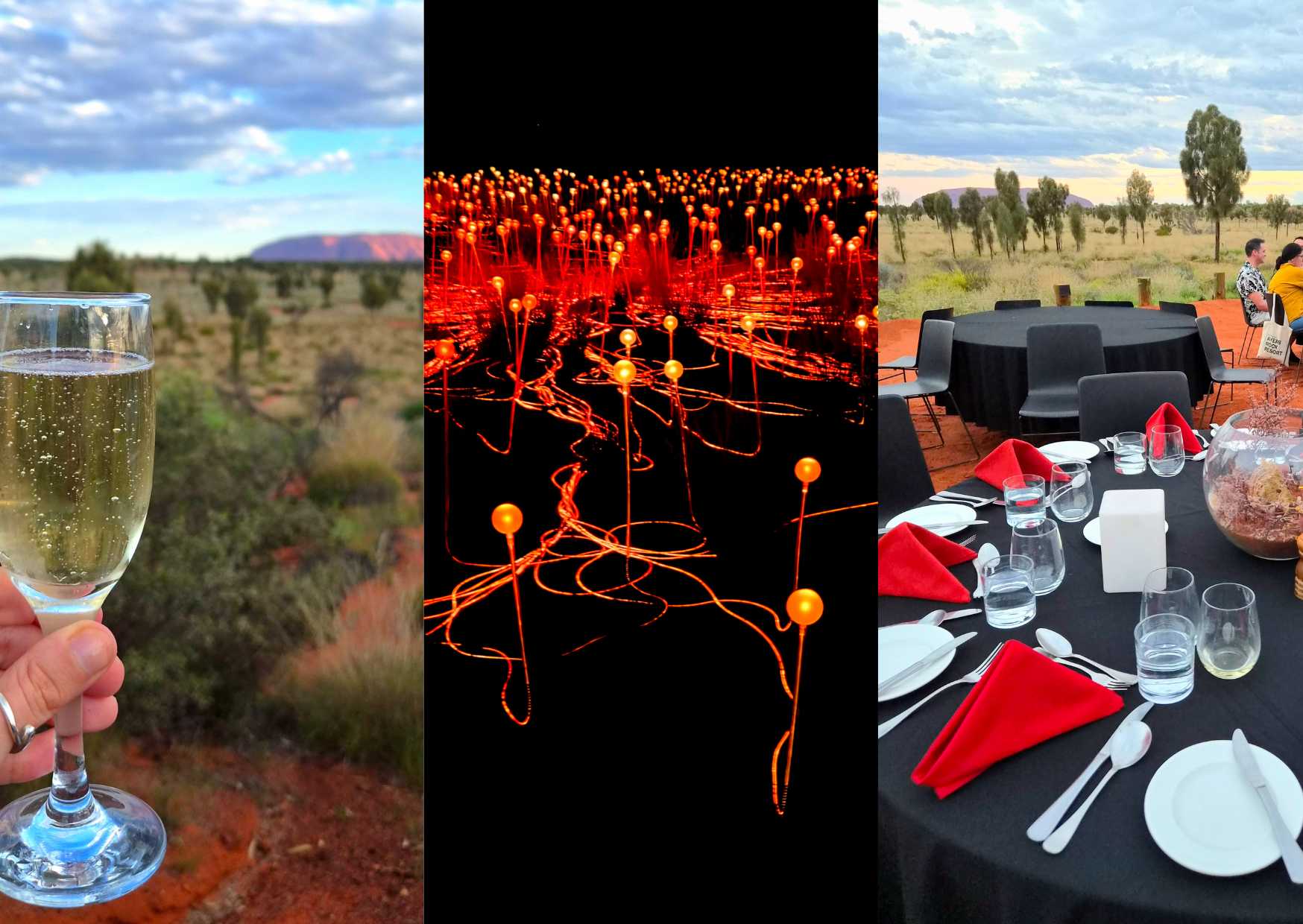
Our second evening began with a transfer into the desert for the Field of Light dinner. Drinks and canapés at sunset were followed by dinner outdoors, accompanied by didgeridoo music. We sat together as a group at a table of around eight to ten people. It’s worth knowing that this is a shared-table experience, so if you’re travelling as a couple, you should expect to sit with other guests. The food was a really good-quality buffet featuring native Australian flavours, with much more to it than the standard hotel buffet you might be picturing. Then came the star talk, although a little rain meant ours became more of a cloud talk! We were told it’s good luck to experience rain in the Red Centre, so I’m choosing to take that as a positive.
After dinner, we walked through Field of Light, created by artist Bruce Munro. Celebrating its tenth anniversary in 2026, the installation spreads more than 50,000 illuminated glass spheres across the desert landscape. Following the pathways through the changing colours was a lovely way to finish the evening.
You don’t have to book the dinner to visit. General admission tickets are available if you’d simply like to walk through the installation, alongside other options combining sunset views, drinks and canapés.
Day 3 - Morning: Uluru up close
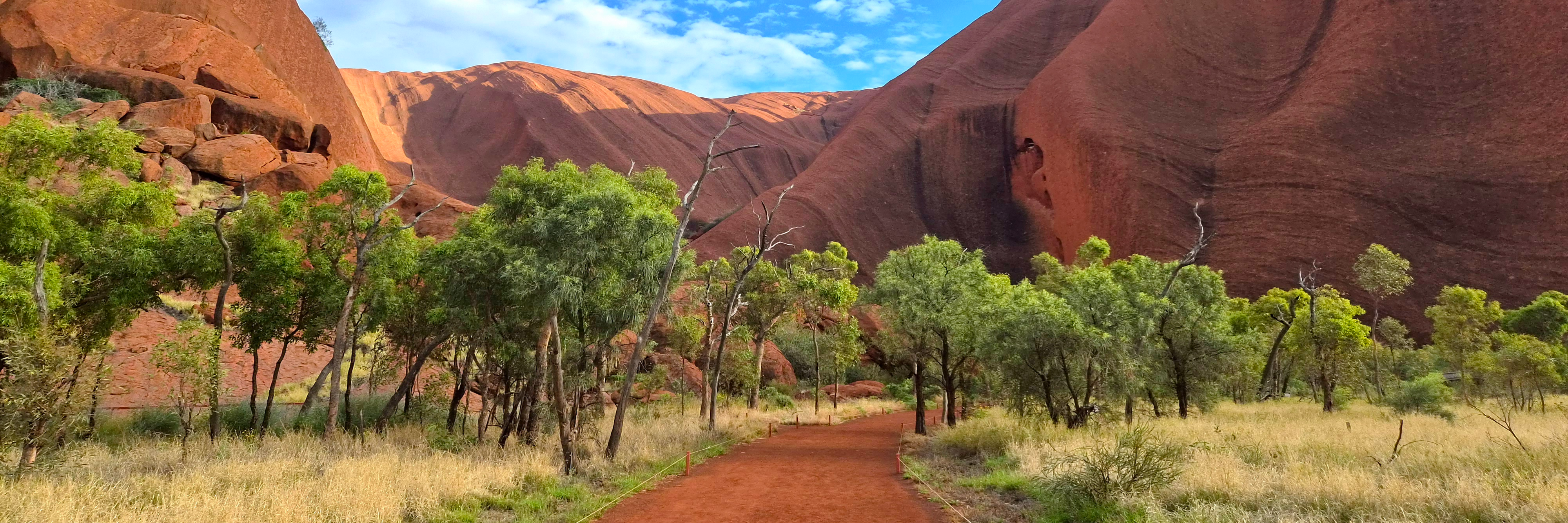
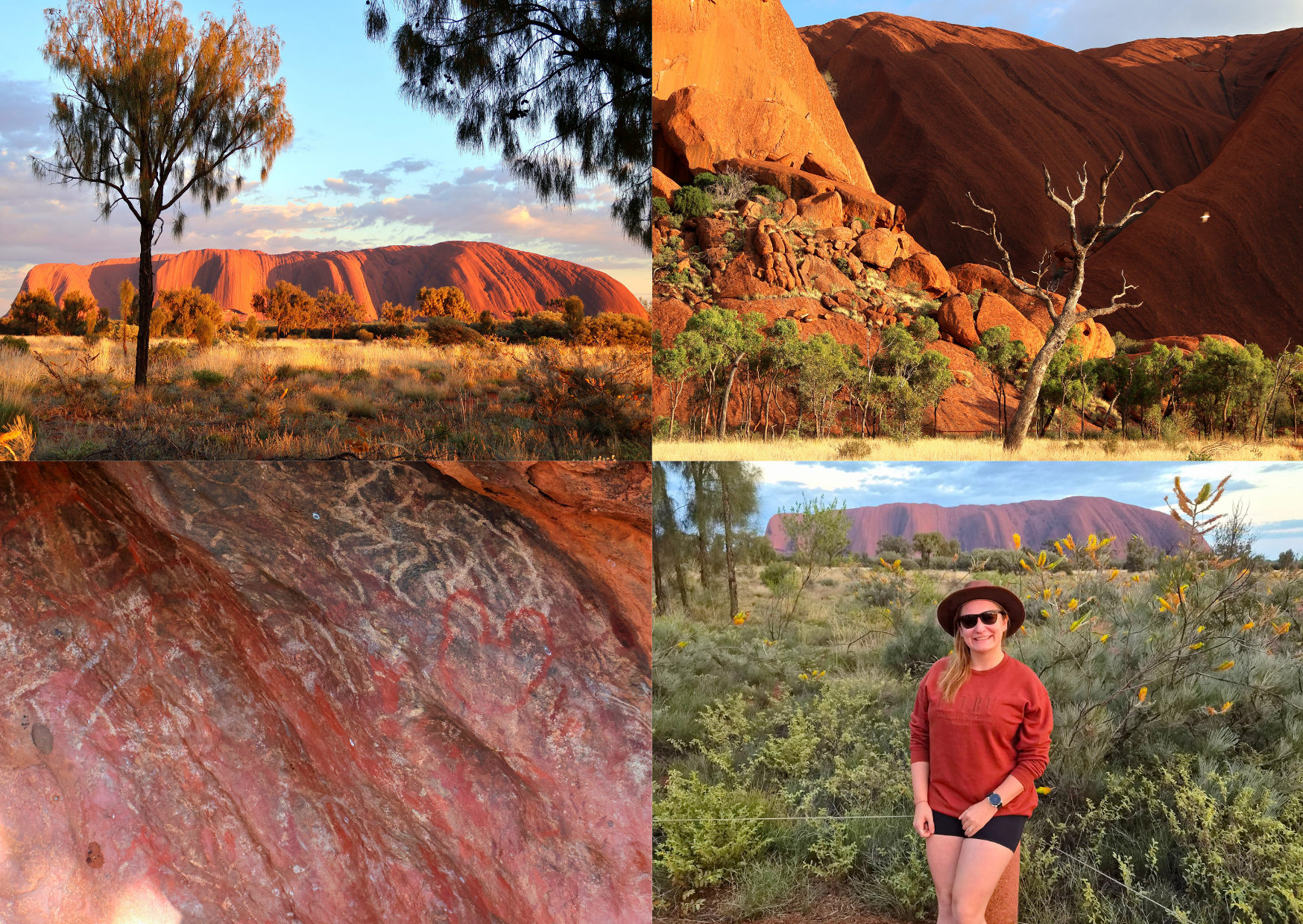
The rest of the group headed out on a cycling tour the following morning. Given my somewhat lacking cycling skills, I joined SEIT Uluru Highlights instead. This three-hour tour began with sunrise over Uluru and an outback picnic breakfast. Our guide Annie found us a quieter spot away from the main viewing platform, where we could watch the morning unfold. We then explored closer to the base, following the Kuniya Walk to Mutitjulu Waterhole, seeing rock art and hearing an introduction to the cultural significance of the landscape. A drive around the base gave us different perspectives before returning to the resort.
Getting that close to Uluru is an absolute must-do. However, I would have liked more time there. Once you allow for the journeys, sunrise and breakfast, the Highlights tour gives you a relatively short time exploring the base itself. With more flexibility, I’d recommend considering the five-hour SEIT Uluru tour, which includes both the Mala and Kuniya walks. For keen walkers, there’s also the approximately six-hour SEIT Uluru Trek, exploring the full base. The right choice depends on how much walking you want to do and the rest of your itinerary.
The rest of my group came back saying their cycle around the base was absolutely amazing, so that’s another option I’d happily consider for clients. I’ll stick to my own two feet! Then it was time to collect my bags, rejoin the group and head to our next destination.
My advice: Give yourself longer
We fitted a huge amount into around 48 hours, but I would always recommend three or four nights, where your wider itinerary allows. Flights to and from Ayers Rock can be more restrictive than those serving Australia’s major cities, so flight schedules sometimes influence how many nights will work. That’s something I’d look at carefully when bringing the trip together.
With longer, you don’t have to squeeze activities into every morning, afternoon and evening. You can allow more time for guided walks, cycle around Uluru, enjoy the free resort activities or spend an afternoon by the pool between early starts.
Seeing Uluru was extraordinary. Having time to explore at its base and learn more about its significance made the visit even more memorable. It’s somewhere I’d encourage you to give a little more time, rather than rushing through.
My visit was hosted by Tourism Australia and Tourism and Events Northern Territory